

🇲🇲 Laphet Thoke: Fermented Tea Leaf Salad & Its Cultural Meaning
Among all Myanmar dishes, laphet thoke stands out as one of the most unique in the world. While many countries drink tea, Myanmar is one of the very few where tea leaves are fermented and eaten.
Laphet thoke — meaning “tea leaf salad” — is not just food. It carries deep social, historical, and cultural meaning. It is served at celebrations, shared in tea shops, and offered as a gesture of hospitality.
For travelers seeking authentic Burmese cuisine, trying laphet thoke is essential.
This guide explains:
- What laphet thoke is
- How fermented tea leaves are made
- Its ingredients
- Regional variations
- Cultural significance
- Where to try it
- Tips for first-time visitors
🍃 What Is Laphet Thoke?
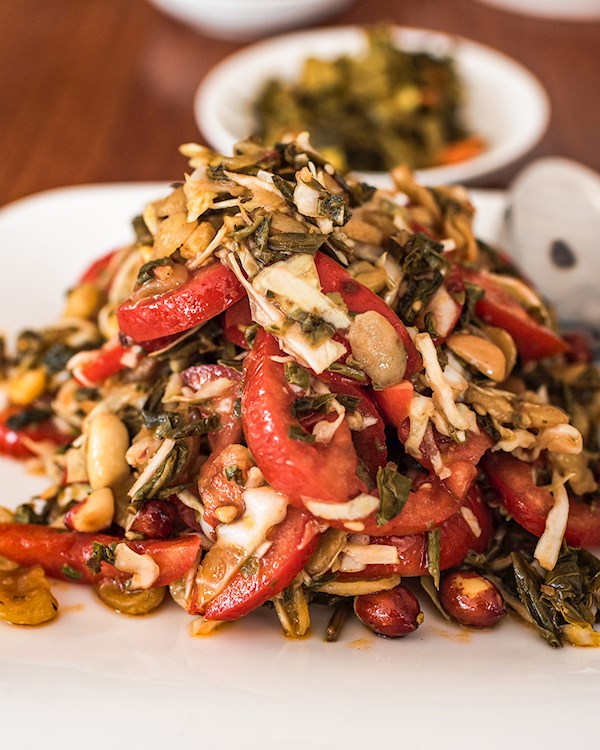
Laphet thoke is a salad made from fermented tea leaves mixed with crunchy beans, nuts, seeds, garlic, tomatoes, and cabbage.
Unlike Western salads with leafy greens, this dish combines bold, earthy flavors with crisp textures.
The key ingredient — fermented tea leaves — gives it:
- Slight bitterness
- Mild sourness
- Deep umami flavor
The contrast between soft tea leaves and crunchy toppings makes it unforgettable.
🏺 The History of Eating Tea Leaves in Myanmar
Myanmar has cultivated tea for centuries, especially in Shan State’s highlands.
Historically, tea leaves were:
- Offered during peace negotiations
- Served at religious ceremonies
- Shared to symbolize reconciliation
Fermented tea leaves were once considered a delicacy reserved for royalty and monks.
Over time, laphet thoke became part of daily life — accessible to all social classes.
Today, it remains one of Myanmar’s most culturally significant dishes.
🧂 Key Ingredients in Laphet Thoke
🍃 Fermented Tea Leaves (Laphet)
Fresh tea leaves are:
- Steamed
- Packed and pressed
- Fermented underground for months
This fermentation softens bitterness and creates complex flavor.
🥜 Crunchy Toppings
Common additions include:
- Fried peanuts
- Roasted sesame seeds
- Crispy split peas
- Fried garlic chips
The crunch balances the soft tea leaves.
🍅 Fresh Vegetables
- Shredded cabbage
- Tomato slices
- Green chilies
- Lime juice
These brighten the flavor.
🛢️ Oils & Seasonings
- Garlic oil
- Fish sauce
- Chili oil
- Salt
Each family or vendor adjusts seasonings differently.
🍽️ How Laphet Thoke Is Served
Traditionally, laphet thoke is presented beautifully with ingredients arranged separately on a plate.
Before eating, the ingredients are mixed together — creating a blend of textures and flavors.
It can be eaten:
- As a snack
- As a side dish
- As a light meal
In tea shops, it’s often shared among friends.
☕ The Social Meaning of Laphet Thoke
Laphet thoke represents:
- Friendship
- Respect
- Celebration
- Reconciliation
In Myanmar culture, offering tea leaf salad symbolizes goodwill.
At weddings and special ceremonies, trays of fermented tea leaves are served to guests as a sign of hospitality.
Few dishes carry such symbolic weight.
🌍 Regional Variations
Shan State
Tea is grown here, so versions are often fresher and slightly milder.
Yangon Style
More oil and generous toppings.
Mandalay Style
Simpler presentation, slightly stronger tea flavor.
Every region adds subtle variation.
💰 How Much Does Laphet Thoke Cost?
Street stall: $1–$3
Restaurant: $3–$6
It remains affordable throughout Myanmar.
(Internal link: Myanmar Travel Costs Guide)
📍 Where to Try Laphet Thoke
Yangon
Tea shops in downtown areas offer authentic versions.
Mandalay
Local restaurants serve traditional recipes.
Inle Lake
Some Shan variations available.
Bagan
Tourist restaurants serve milder versions.
Trying it in tea shops gives the most authentic experience.
🌶️ Is Laphet Thoke Spicy?
It can be, but chili is often adjustable.
If sensitive to spice, request:
“Less chili” or “No chili.”
🥗 Is It Healthy?
Laphet thoke contains:
- Antioxidants from tea leaves
- Protein from beans and peanuts
- Fiber from vegetables
However, oil content can be high.
It’s nutritious but best enjoyed in moderation.
🛡️ Is It Safe for Travelers?
Generally yes.
Follow common-sense precautions:
✔ Eat at busy establishments
✔ Choose freshly prepared versions
✔ Avoid long-exposed salads
Most travelers enjoy laphet thoke without issues.
🧳 Tips for First-Time Visitors
✔ Expect bold flavors
✔ Mix thoroughly before eating
✔ Pair with Burmese milk tea
✔ Try small portion first
It may taste unusual at first — but many travelers grow to love it.
📸 A Photogenic Dish
The colorful arrangement — green tea leaves, golden peanuts, red tomatoes — makes laphet thoke visually striking.
Always ask before photographing vendors.
🌿 Vegetarian & Vegan Options
Many versions are vegetarian.
However, some include fish sauce.
Always confirm if vegan.
🌟 Why Laphet Thoke Is Unique Globally
Few cultures eat fermented tea leaves.
Myanmar’s laphet thoke is:
- Culinary innovation
- Cultural symbol
- Social tradition
It sets Burmese cuisine apart from neighboring countries.
🏺 Laphet in Ceremonies
In traditional ceremonies, fermented tea leaves are presented on lacquer trays divided into compartments.
Guests pick ingredients and mix them themselves — reinforcing communal bonds.
Laphet represents peace and respect.
❓ Frequently Asked Questions
1. What does laphet thoke taste like?
Slightly bitter, nutty, crunchy, and savory with hints of sourness.
2. Is laphet thoke vegetarian?
Often yes, but check for fish sauce.
3. Why do Burmese people eat tea leaves?
It’s a centuries-old tradition symbolizing hospitality and reconciliation.
4. Is it spicy?
Chili can be adjusted.
5. Where is the best place to try it?
Local tea shops in Yangon or Mandalay.
6. Is it healthy?
It contains antioxidants and protein but may include oil.
✨ Final Thoughts
Laphet thoke is more than a salad — it’s a cultural emblem of Myanmar. From royal courts to humble tea shops, fermented tea leaves have connected communities for generations.
For travelers exploring Myanmar’s cuisine, tasting laphet thoke is not just about flavor — it’s about understanding tradition, hospitality, and the social fabric of Burmese life.
No Myanmar food journey is complete without it.