

🇲🇲 Is Myanmar Safe to Visit? What Travelers Should Know
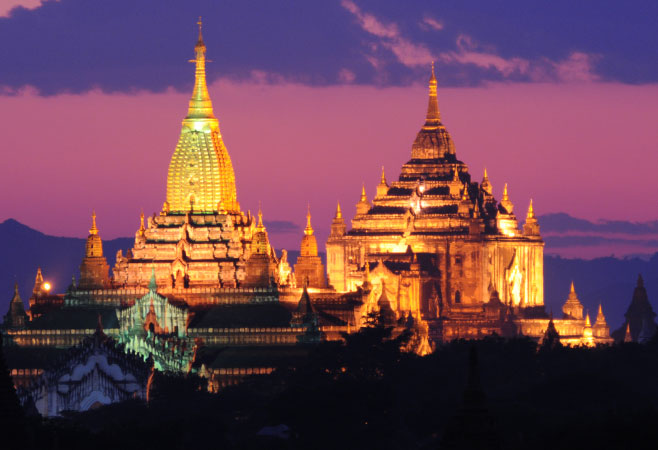
Myanmar is a country rich in culture, ancient temples, and breathtaking landscapes. As tourism grows, many travelers ask a crucial question before booking: “Is Myanmar safe to visit?”
This guide takes a frank, practical look at safety in Myanmar, equipping you with the knowledge to travel confidently. You’ll learn about:
- Current safety conditions
- Crime and scams
- Political and regional factors
- Health & medical considerations
- Transportation safety
- Practical tips before and during your trip
Whether you’re planning your first visit or returning to explore more, this guide helps you make informed decisions.
📍 Current Safety Context — What Travelers Must Know
Travel safety isn’t static, and conditions in any country can change based on political, social, or health events. Myanmar has experienced political unrest and regional challenges in recent years. Before planning your trip, it’s essential to:
✔ Check updated travel advisories from your government
✔ Understand regional differences within Myanmar
✔ Prepare with insurance and contingency plans
Good news: Many visitors travel across central and southern Myanmar (cities like Yangon, Bagan, Mandalay, and Inle Lake) without incidents — but being informed and vigilant makes all the difference.
🚨 Political & Regional Considerations
Myanmar’s recent political landscape has been complex, with protests and regional tensions affecting certain states near borders.
What Travelers Should Do
- Avoid restricted areas and active conflict zones
Locations near borders with neighboring countries may have travel restrictions or require special permits. - Register travel plans with your embassy
This helps authorities contact you in the event of an emergency. - Monitor official advisories
Governments publish up-to-date security alerts — check them close to your departure date.
Despite these concerns, most popular travel destinations in central and southern Myanmar remain accessible and frequented by international tourists.
🚔 Crime and Personal Safety
Like many countries, Myanmar has low levels of violent crime against tourists in major cities and tourist hubs. However, petty theft, especially pickpocketing or bag snatching, can occur in crowded markets or transport hubs.
Tips to Stay Safe
✔ Keep valuables close and secure
✔ Avoid isolated areas after dark
✔ Use hotel safes for passports and extra cash
✔ Choose registered taxis or rideshare services
In general, respectful behavior and awareness of your surroundings go a long way in Myanmar’s urban and rural areas.
👮 Cultural Respect & Local Laws
Myanmar is culturally rich, with strong traditions and etiquette. Respecting local customs isn’t just polite — it enhances your safety and travel experience.
📌 Key cultural safety tips:
- Dress modestly at religious sites
- Avoid political conversations in public
- Always ask before photographing people
- Follow instructions from local authorities and temple guides
Being aware of cultural norms helps you avoid misunderstandings and fosters positive interactions.
🏥 Health & Medical Safety
Your well-being is a big part of travel safety. Myanmar has improving healthcare services in cities, but medical facilities outside urban centers may be limited.
Recommended Pre-Trip Health Preparations
✔ Visit a travel clinic before departure
✔ Update routine vaccinations
✔ Consider vaccines for typhoid, hepatitis A/B, and tetanus
✔ Pack a basic first-aid kit
💡 Malaria & Mosquito Protection:
Certain regions may carry risk for mosquito-borne illnesses. Use repellent, wear long sleeves, and sleep under a mosquito net when needed.
🚌 Transportation Safety
Getting around Myanmar can be an adventure, but safety varies by mode of transport.
Flights
Domestic flights are generally stable and a good way to cover long distances between cities like Yangon, Mandalay, and Nyaung U (Bagan).
Buses & Vans
These are affordable and common, but comfort and safety standards vary.
✔ Choose reputable companies
✔ Request seat belts if available
✔ Avoid overnight buses on rural routes
Trains
Train travel offers scenic views but can be slower and less predictable. For short journeys, trains are safe and inexpensive.
Motorbikes & Scooters
Renting scooters or bikes is popular in tourist towns, but:
✔ Wear helmets
✔ Check rental insurance
✔ Be cautious on rural roads
📱 Staying Connected in Myanmar
Reliable communication enhances safety.
✔ Buy a local SIM card (Telenor or MPT)
✔ Keep emergency contacts stored offline
✔ Share your travel itinerary with family/friends
In larger towns and cities, internet access via mobile data and Wi-Fi is widely available.
💳 Money Safety Tips
Carrying cash is common in Myanmar, especially outside major cities.
✔ Use ATMs in banks or respected hotels
✔ Avoid flashing large amounts of cash
✔ Carry small denominations for markets or street food
Credit cards are accepted in many hotels, restaurants, and tour operators, but smaller vendors may be cash-only.
🏨 Accommodation & Booking Best Practices
Choose accommodations with solid reviews and good safety reputations — especially in lesser-known regions.
✔ Check traveler reviews
✔ Confirm secure locks and 24/7 reception
✔ Know your neighborhood before booking
Booking through reputable platforms with flexible cancellation policies adds peace of mind.
🧳 Safety Checklist Before You Go
✔ Check official travel advisories
✔ Register with your embassy
✔ Buy comprehensive travel insurance
✔ Get necessary vaccinations
✔ Share your itinerary
✔ Save emergency contacts offline
✔ Pack a basic first-aid kit
📍 Is Myanmar Safe for Solo Travelers?
Yes — many solo travelers explore Myanmar each year without incident.
Tips for Solo Safety
✔ Stay in well-rated accommodations
✔ Avoid walking alone late at night
✔ Join group tours for remote regions
✔ Maintain regular communication with family
Local people are often warm and welcoming, and travel groups can add extra security and companionship.
🚀 Seasonal Safety Considerations
Weather impacts safety in Myanmar:
Monsoon Season (June–October)
Heavy rain can affect travel schedules and rural road conditions. Plan accordingly and build flexibility into your itinerary.
Hot Season (March–May)
High temperatures require proper hydration and heat precautions, especially during outdoor sightseeing.
⚠️ What Travelers Should Not Do
❌ Don’t enter prohibited zones
❌ Don’t ignore health warnings
❌ Don’t flaunt expensive gear
❌ Don’t travel without insurance
Being cautious doesn’t mean fear — it means being prepared.
📊 Quick Pros & Cons
| Pros | Cons |
|---|---|
| Friendly locals | Some regional tensions |
| Rich culture & heritage | Healthcare varies by region |
| Affordable travel | Road conditions can be poor outside cities |
| Easy domestic travel | Weather challenges in monsoon |
📍 Most Common Safety Myths
Myth: Myanmar is too dangerous to visit
👉 Fact: Most popular destinations are safe for travelers with proper planning.
Myth: Crime against tourists is common
👉 Fact: Violent crime is rare — petty theft is the most frequent concern.
❓Frequently Asked Questions (5–7)
1. Is Myanmar safe for first-time travelers?
Yes — with research and basic precautions, travelers commonly visit safely and enjoyably.
2. Should I be worried about political unrest?
Political situations can evolve. Always check travel advisories before booking.
3. Are solo travelers safe in Myanmar?
Generally yes, especially in major cities and tourist hubs — just practice common-sense safety.
4. Can I drink tap water in Myanmar?
No — stick to bottled or filtered water to avoid illness.
5. Is medical care in Myanmar good?
Urban centers have decent facilities, but remote regions may lack advanced healthcare.
6. Is transportation safe in Myanmar?
Domestic flights and reputable buses are safe. Roads vary — cautious driving is advised.
7. Should I avoid certain areas?
Yes — avoid conflict zones and follow government travel warnings.
🧭 Final Takeaway
Is Myanmar safe to visit?
Yes — for travelers who prepare, stay informed, and respect local customs. Most popular travel routes are well-trodden and secure, and millions experience the warmth of Myanmar each year.
Just remember: good safety is good planning.