

Myanmar, also known as Burma, is one of Southeast Asia’s most fascinating yet least understood destinations. From ancient temple plains and colonial cities to pristine lakes and deeply rooted traditions, Myanmar offers travelers an experience that feels authentic, unfiltered, and culturally rich. This complete travel guide is designed to help first-time and returning visitors understand what to expect, how to plan, and how to travel responsibly in Myanmar.
Why Visit Myanmar?
Myanmar stands apart from many popular Asian destinations. While neighboring countries have modernized rapidly, Myanmar retains a strong sense of tradition and cultural continuity. Travelers who visit often describe the country as spiritual, welcoming, and visually striking.
Authentic Cultural Experiences
Myanmar’s culture is deeply influenced by Buddhism, reflected in daily rituals, architecture, and social behavior. Monks collecting alms at dawn, families lighting candles at pagodas, and quiet acts of generosity are part of everyday life. These experiences feel natural rather than staged for tourism.
Historic Cities and Ancient Wonders
The country is home to thousands of historical sites, many dating back over a thousand years. Ancient capitals, royal palaces, and vast temple complexes tell the story of powerful kingdoms and rich civilizations that once dominated the region.
Fewer Crowds, Deeper Connections
Compared to Thailand or Vietnam, Myanmar receives fewer international tourists. This allows for more personal interactions with locals, less crowded landmarks, and a slower travel pace that encourages deeper exploration.
Diverse Landscapes
Within one country, travelers can experience bustling cities, dry central plains, lush hills, tranquil lakes, and untouched beaches. Myanmar’s geography makes it ideal for travelers who enjoy variety without constant border crossings.
Best Time to Visit Myanmar
Understanding Myanmar’s climate is essential for planning a successful trip. The country has three main seasons, each offering different travel experiences.
Dry Season (November to February) – Best Time to Visit
This is the most popular and comfortable time to travel in Myanmar. Temperatures are cooler, humidity is lower, and rainfall is minimal.
Why this season is ideal:
- Comfortable sightseeing conditions
- Clear skies for photography
- Peak festival season
- Easier transportation
Things to note:
- Higher hotel prices
- More visitors at major attractions
Hot Season (March to May)
Temperatures rise sharply, especially in central Myanmar. While travel is still possible, outdoor sightseeing can be challenging during midday hours.
Best for:
- Beach destinations
- Short city visits
- Budget travelers avoiding peak prices
Rainy Season (June to October)
The monsoon season brings heavy rainfall, especially in coastal and mountainous areas. However, landscapes turn lush and green, and tourist numbers drop significantly.
Pros:
- Fewer crowds
- Lower accommodation costs
- Beautiful scenery
Cons:
- Weather disruptions
- Limited access to remote areas
Top Destinations in Myanmar
Myanmar’s destinations reflect its long history, cultural depth, and geographic diversity. These are the most important places for first-time visitors.
Yangon – The Cultural Gateway
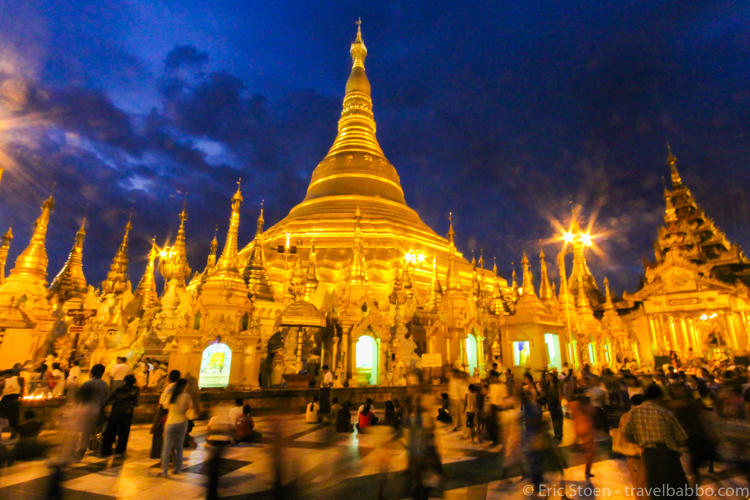
Yangon is Myanmar’s largest city and the main entry point for international travelers. While no longer the capital, it remains the country’s commercial and cultural heart.
What Makes Yangon Special
Yangon blends colonial architecture, bustling markets, modern shopping centers, and sacred religious sites. The city offers a strong introduction to Myanmar’s contrasts—old and new existing side by side.
Highlights
- Shwedagon Pagoda, Myanmar’s most sacred site
- Colonial-era buildings downtown
- Local street food and tea shops
- Bogyoke Aung San Market
Yangon is ideal for easing into the country, adjusting to local customs, and learning the basics of Myanmar travel.
Bagan – Land of a Thousand Temples
Bagan is one of Southeast Asia’s most extraordinary archaeological sites. Spread across a vast plain are thousands of ancient temples, pagodas, and stupas built between the 9th and 13th centuries.
Why Visit Bagan
Bagan offers an unmatched sense of scale and history. Sunrise and sunset views over the temple plains create some of the most iconic travel moments in Myanmar.
Top Experiences
- Temple hopping by e-bike
- Sunrise viewpoints
- Archaeological museums
- Traditional lacquerware workshops
Bagan is a must-visit destination and often becomes the highlight of a Myanmar trip.
Mandalay – Royal Heritage and Tradition
Mandalay was the last royal capital of Myanmar and remains a center of traditional arts and crafts.
What to Expect
The city itself is busy and practical, but its surrounding areas contain some of Myanmar’s most culturally significant sites.
Highlights
- Mandalay Royal Palace
- Mandalay Hill sunset views
- U Bein Bridge, the world’s longest teak bridge
- Traditional gold leaf workshops
Mandalay provides insight into Myanmar’s royal past and religious scholarship.
Inle Lake – Life on the Water
Inle Lake, located in Shan State, is known for its floating villages, gardens, and unique leg-rowing fishermen.
Why Inle Lake Is Unique
Life here revolves around water. Homes, farms, and markets float on the lake’s surface, creating a lifestyle found nowhere else in the world.
Key Experiences
- Boat tours through floating villages
- Traditional fishing demonstrations
- Local markets
- Scenic countryside cycling
Inle Lake offers a peaceful contrast to Myanmar’s cities and temple regions.
Ngapali Beach – Myanmar’s Coastal Escape
Ngapali Beach is Myanmar’s most famous beach destination, known for its white sand, palm trees, and relaxed atmosphere.
Why Visit Ngapali
Unlike heavily developed beach resorts elsewhere in Asia, Ngapali remains calm and relatively uncrowded.
Activities
- Beach relaxation
- Fresh seafood dining
- Cycling through fishing villages
- Sunset views over the Bay of Bengal
Ngapali is perfect for unwinding after cultural sightseeing.
Travel Planning Tip for First-Time Visitors
For a balanced itinerary, many travelers choose:
Yangon → Bagan → Mandalay → Inle Lake, with Ngapali added if time allows.
This route provides a mix of culture, history, scenery, and relaxation without excessive travel.
Myanmar Visa Requirements
Most travelers need a visa to enter Myanmar. The process is straightforward if you prepare in advance.
Tourist Visa Options
- eVisa (Tourist) – most common and recommended
- Embassy visa – for longer or special stays
The eVisa allows:
- Stay of up to 28 days
- Single entry
- Entry through major international airports and select land borders
eVisa Requirements
- Passport valid for at least 6 months
- Passport-size photo
- Online application and payment
- Approval usually within 3 business days
Travelers should print their eVisa approval letter before arrival.
Is Myanmar Safe to Visit?
Safety is one of the most frequently asked questions about Myanmar. The answer depends largely on location, timing, and awareness.
General Safety Overview
Tourist areas such as Yangon, Bagan, Mandalay, Inle Lake, and Ngapali Beach have historically remained calm and welcoming to visitors. Violent crime against tourists is rare.
Important Travel Advice
- Monitor official travel advisories before and during your trip
- Avoid politically sensitive areas and border regions
- Follow local news and hotel guidance
- Respect local laws and customs
Many travelers visit Myanmar without incident by staying informed and traveling responsibly.
Transportation in Myanmar
Getting around Myanmar requires patience, but options have improved significantly in recent years.
Domestic Flights
Domestic flights are the fastest way to travel long distances and are widely used by tourists.
Best for:
- Yangon ↔ Bagan
- Mandalay ↔ Inle Lake
- Yangon ↔ Ngapali
Buses
Long-distance buses are affordable and widely available.
Pros:
- Budget-friendly
- Comfortable VIP buses on major routes
Cons:
- Long travel times
- Night buses can be tiring
Trains
Trains offer scenic views but are slow and best suited for short routes or travelers seeking a local experience.
Taxis & Local Transport
- Taxis are common in cities
- Ride-hailing apps are limited
- Always agree on price beforehand
Myanmar Travel Costs & Budget
Myanmar can be affordable, but prices vary depending on travel style and location.
Average Daily Costs (Per Person)
Budget Travelers
- $30–50 per day
- Guesthouses, local food, buses
Mid-Range Travelers
- $60–120 per day
- Hotels, domestic flights, guided tours
Luxury Travelers
- $200+ per day
- Resorts, private guides, premium transport
Common Expenses
- Meals: inexpensive at local restaurants
- Accommodation: higher in tourist hubs
- Entrance fees: pagodas and archaeological zones
Cash is essential, as card acceptance remains limited.
Money, Currency & Payments
Myanmar’s official currency is the Kyat (MMK).
Payment Tips
- Bring clean USD bills for exchange
- ATMs are available in cities but unreliable
- Credit cards are accepted only in high-end hotels
Always carry cash, especially when traveling outside major cities.
Internet, SIM Cards & Connectivity
Internet access has improved but remains inconsistent.
SIM Cards
Tourist SIM cards are available at airports and city shops.
What to expect:
- Affordable data packages
- Good coverage in cities
- Slower speeds in rural areas
Wi-Fi is common in hotels but may be slow.
Culture, Customs & Etiquette
Understanding local customs enhances your experience and shows respect.
Cultural Guidelines
- Dress modestly at religious sites
- Remove shoes before entering pagodas
- Avoid touching people’s heads
- Use both hands when giving or receiving items
Myanmar people are known for politeness and warmth, and respectful behavior is always appreciated.
Food & Drinking Water
Myanmar cuisine reflects regional diversity and strong local flavors.
Food Safety Tips
- Eat freshly cooked meals
- Avoid tap water
- Drink bottled or filtered water
- Peel fruits yourself
Street food is popular and generally safe when busy stalls are chosen.
What to Pack for Myanmar
Packing wisely can make your trip far more comfortable.
Essentials
- Lightweight, breathable clothing
- Modest attire for temples
- Comfortable walking shoes
- Power bank
- Travel insurance documents
A light rain jacket is recommended during the monsoon season.
Practical Travel Tips
- Carry photocopies of your passport
- Download offline maps
- Learn a few basic local phrases
- Be patient with delays
- Travel slowly and flexibly
Myanmar rewards travelers who embrace its pace and unpredictability.
Final Thoughts on Visiting Myanmar
Myanmar remains one of Southeast Asia’s most compelling destinations. Its ancient heritage, spiritual atmosphere, and genuine hospitality create a travel experience unlike anywhere else. While challenges exist, informed and respectful travelers often leave with unforgettable memories and deep cultural appreciation.
For those seeking authentic culture, meaningful travel, and timeless landscapes, Myanmar continues to offer something truly special.
FAQ (SEO Schema-Ready)
❓ Is Myanmar open to tourists now?
Yes, Myanmar remains open to international visitors, though travelers should check visa rules and advisories before departure.
❓ Do I need travel insurance for Myanmar?
Travel insurance is strongly recommended due to limited medical facilities outside major cities.
❓ Can I use US dollars in Myanmar?
US dollars are widely accepted for exchange, but bills must be clean and undamaged.
❓ Is Myanmar suitable for first-time Asia travelers?
Yes, especially when visiting major tourist routes with proper planning.
❓ How long should I stay in Myanmar?
A minimum of 10–14 days allows time to see key destinations without rushing.