
🇲🇲 Traditional Myanmar Clothing: Longyi, Styles & Meanings
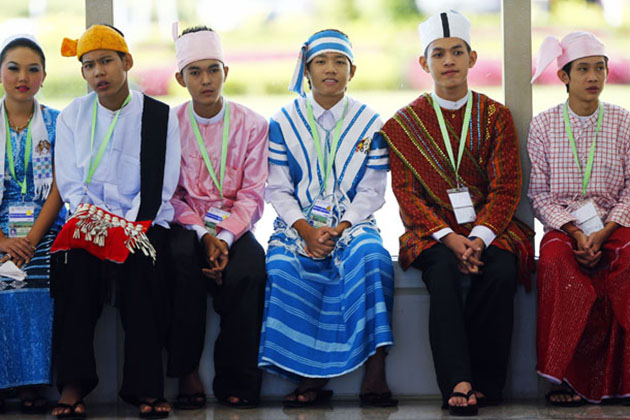
Traditional Myanmar clothing reflects centuries of culture, climate, religion, and identity. While modern fashion is common in cities, many Burmese people still wear traditional garments daily — especially the iconic longyi.
Unlike many countries where traditional dress appears only during festivals, in Myanmar, cultural clothing remains a living part of everyday life.
This guide explores:
- What a longyi is
- Differences between men’s and women’s styles
- Regional variations
- Cultural meanings
- Festival attire
- What travelers should know
👘 What Is a Longyi?
The longyi is the most recognizable traditional garment in Myanmar.
It is:
- A cylindrical piece of fabric
- Wrapped around the waist
- Worn by both men and women
The longyi functions like a sarong and is suitable for Myanmar’s tropical climate.
It is worn by:
- Office workers
- Students
- Shopkeepers
- Monks (in specific colors)
- Politicians
- Farmers
The longyi is both practical and symbolic.
👔 Men’s Longyi (Paso)
The men’s version is called a paso.
Features:
- Tied with a knot in the front
- Often patterned with checks or stripes
- Usually darker colors
Men pair the paso with:
- White shirt
- Traditional jacket (sometimes)
In formal settings, men may wear silk pasos.
👗 Women’s Longyi (Htamein)
The women’s version is called a htamein.
Features:
- Seam aligned to the side
- Floral or intricate patterns
- Bright colors
Women often pair htamein with:
- Fitted blouse
- Traditional jacket
- Jewelry
Htamein patterns can indicate regional origin or social occasion.
🌿 Why the Longyi Is Practical
Myanmar’s climate is:
- Hot
- Humid
- Tropical
The longyi is:
- Lightweight
- Breathable
- Adjustable
- Comfortable
It also allows ease of movement for daily activities.
🏺 Cultural Meaning of Traditional Dress
Traditional clothing reflects:
- Respectability
- Modesty
- Cultural pride
- Religious values
Wearing longyi shows connection to Burmese identity.
Even young professionals often choose longyi in formal settings.
🪔 Clothing & Religion
Religion influences clothing norms.
At pagodas and monasteries:
- Modest dress is expected
- Shoulders and knees covered
- Shoes removed
Longyi naturally meets modesty standards.
(Internal link: Religion in Myanmar)
🎉 Festival & Ceremony Clothing
During festivals like Thingyan and Thadingyut, people wear:
- Bright silk longyi
- Decorative blouses
- Traditional jackets
- Jewelry
Weddings and novitiation ceremonies feature elaborate attire, sometimes resembling royal dress from historical periods.
(Internal link: Myanmar Festivals Guide)
🧵 Fabric & Textile Traditions
Myanmar has strong weaving traditions.
Popular fabrics include:
- Cotton
- Silk
- Lotus silk (Inle Lake)
Lotus silk weaving is rare and labor-intensive, producing high-value garments.
(Internal link: Inle Lake Travel Guide)
🏔️ Regional Clothing Variations
Myanmar has over 130 ethnic groups, each with unique attire.
Shan State
Colorful, patterned long skirts and jackets.
Chin State
Handwoven textiles with bold geometric patterns.
Kachin State
Heavily embroidered outfits for ceremonies.
Mon & Rakhine States
Distinctive traditional patterns and head coverings.
Ethnic dress reflects identity and heritage.
🧥 Modern Influence on Traditional Dress
In cities like Yangon:
- Western clothing is common
- Young people mix longyi with modern shirts
- Business settings may combine suits with longyi
Myanmar fashion balances tradition and modernity.
🧳 What Should Travelers Wear?
While tourists are not expected to wear longyi, modest clothing is recommended.
✔ Cover shoulders and knees at religious sites
✔ Avoid overly revealing outfits
✔ Remove shoes at temples
Some travelers enjoy buying and wearing a longyi — locals often appreciate the gesture.
🛍️ Where to Buy Traditional Clothing
Popular shopping locations:
- Bogyoke Market (Yangon)
- Mandalay markets
- Inle Lake handicraft shops
Prices range from:
$5–$20 for cotton
$40+ for silk
(Internal link: Yangon Travel Guide)
🌸 Jewelry & Accessories
Traditional accessories include:
- Gold earrings
- Flower hair decorations
- Beaded necklaces
Thanaka, a yellow paste applied to the face, is also part of traditional appearance — especially among women and children.
🧵 How to Wear a Longyi
Men tie a knot in front.
Women wrap and tuck fabric securely.
It may take practice, but it’s comfortable once mastered.
Some shops demonstrate how to tie it properly.
🌟 Why Traditional Clothing Endures
In many countries, traditional clothing has faded into ceremonial use only.
In Myanmar, it endures because:
- It’s climate-suitable
- It’s affordable
- It reflects cultural pride
- It remains socially respected
Traditional dress is a visible sign of Myanmar’s cultural continuity.
📸 Photography & Respect
When photographing people in traditional dress:
✔ Ask permission
✔ Avoid interrupting ceremonies
✔ Respect privacy
Clothing often holds personal and cultural meaning.
🌏 Traditional Dress & Identity
Traditional Myanmar clothing represents more than fashion — it symbolizes:
- Heritage
- Modesty
- Unity
- Spiritual values
For many Burmese people, wearing longyi is an everyday expression of identity.
❓ Frequently Asked Questions
1. What is the traditional clothing of Myanmar?
The longyi is the most common traditional garment worn by both men and women.
2. What is the difference between paso and htamein?
Paso is the men’s longyi, tied in front. Htamein is the women’s version, wrapped differently.
3. Do people still wear traditional clothing daily?
Yes, many Burmese people wear longyi regularly.
4. Can tourists wear a longyi?
Yes, and locals often appreciate the cultural interest.
5. Is traditional clothing expensive?
Cotton longyi are affordable; silk versions cost more.
6. What is thanaka?
Thanaka is a natural cosmetic paste applied to the face for cooling and beauty.
✨ Final Thoughts
Traditional Myanmar clothing remains a living tradition — not a costume of the past. From bustling city streets to rural villages, the longyi continues to define Burmese identity.
For travelers, understanding traditional dress offers insight into Myanmar’s values of modesty, practicality, and cultural pride.
Whether you choose to wear a longyi or simply admire its craftsmanship, traditional clothing provides another meaningful way to connect with Myanmar’s rich heritage.